

The history of mammoth tusk usage
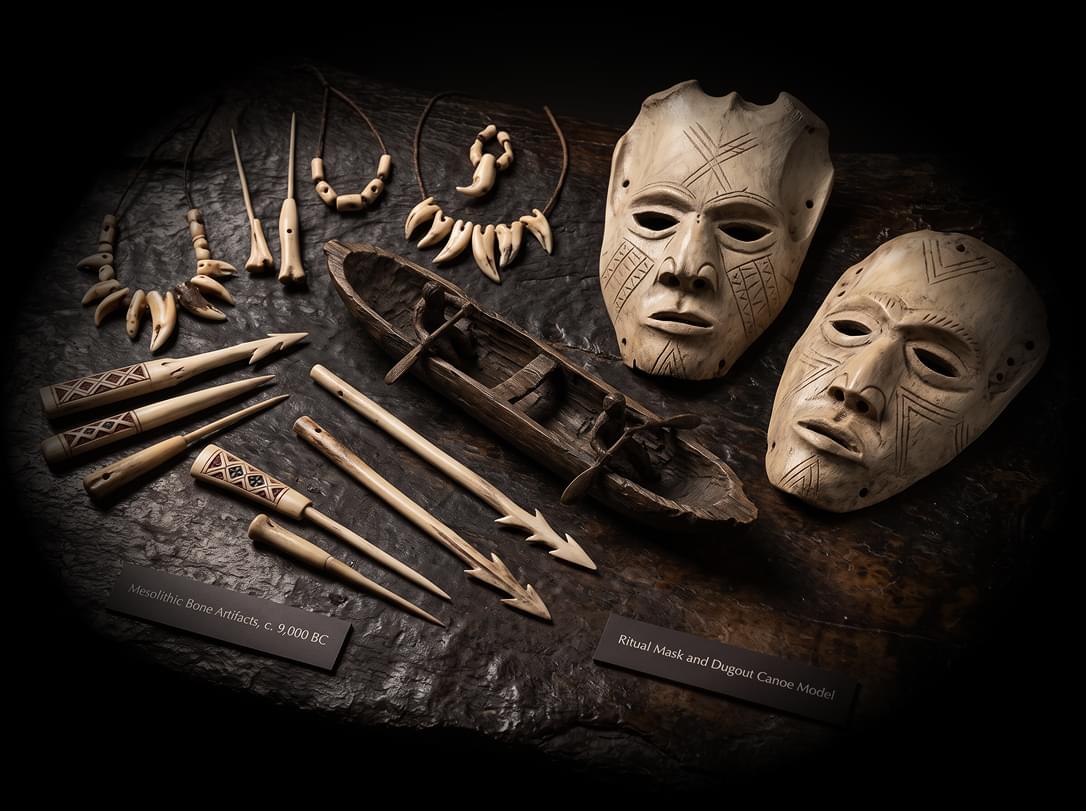
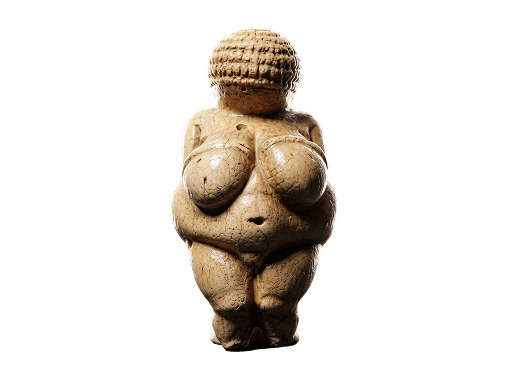
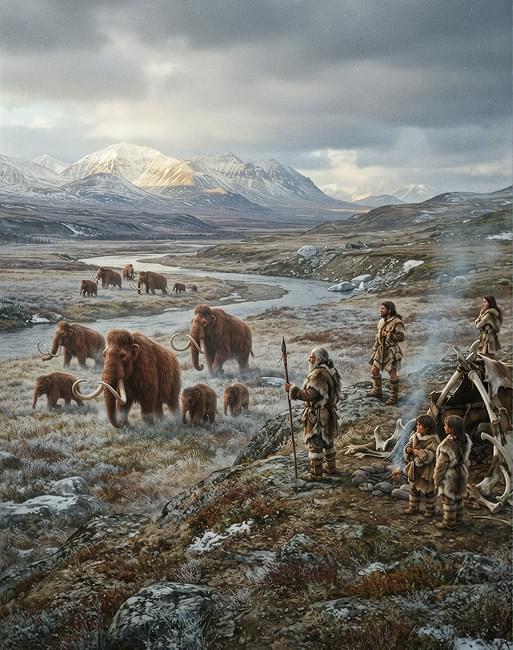
Needles, awls, spear points,
“Venus” figurines
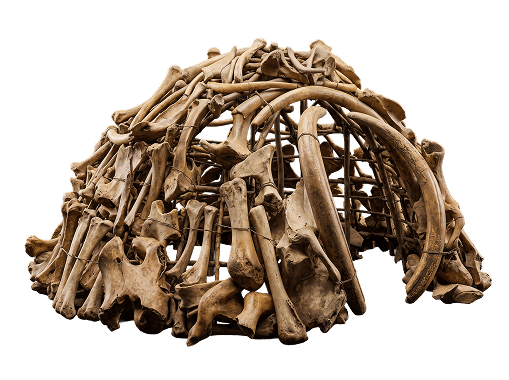
Tusk hoards (300 kg), necklaces,
animal sculptures

Boats, ritual masks,
inlaid tools

Tusk hoards (15 kg in one burial),
weapon inlays
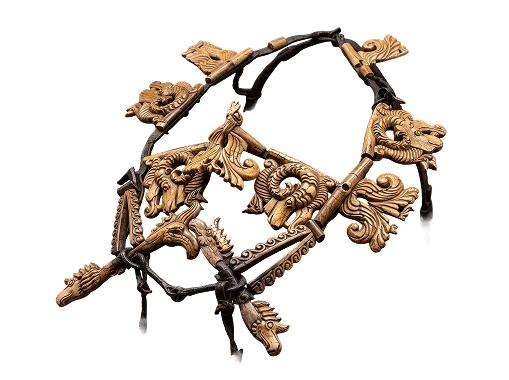
Horse harness decorations,
human masks
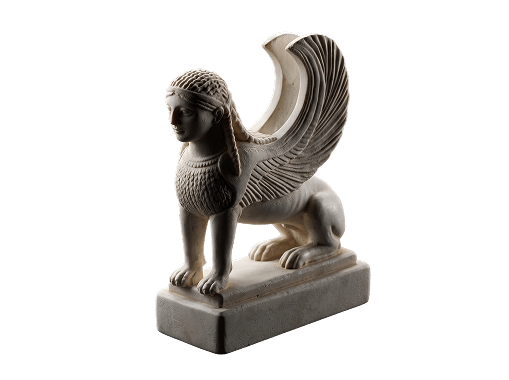
Furniture inlays,
amulets, combs
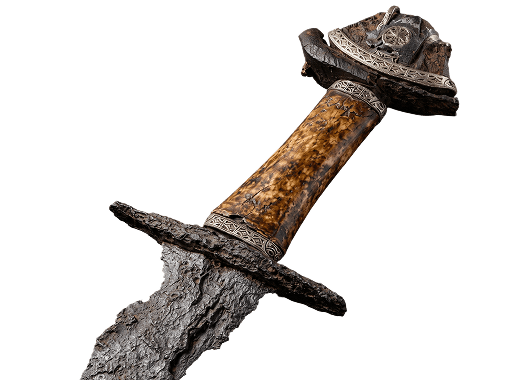
Sword handles,
“Mjölnir” amulets, icons
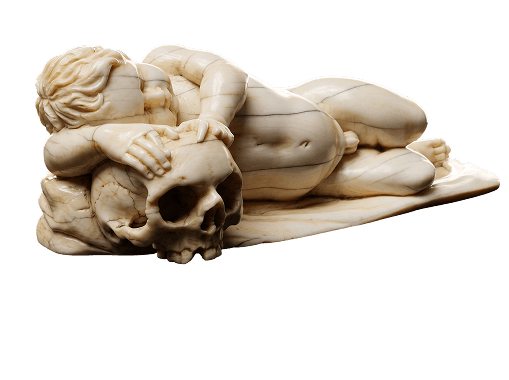
Carved portraits,
chess sets, inlays

Buttons, combs,
furniture inlays
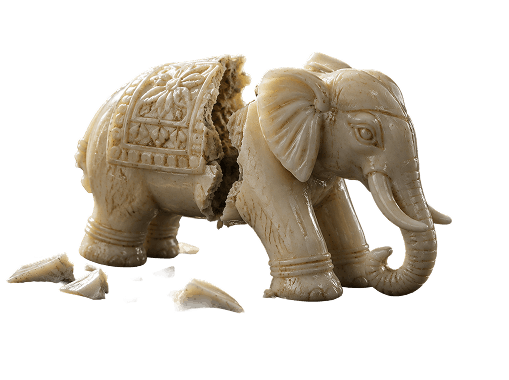
Dyeing mammoth ivory to
imitate expensive materials
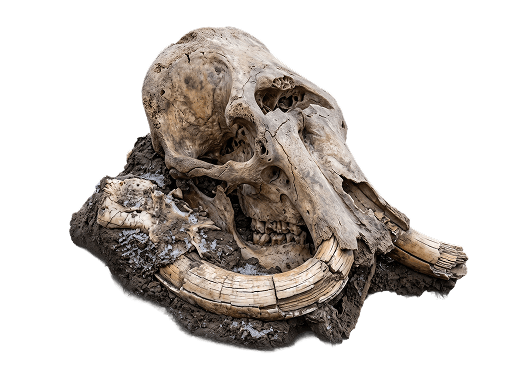
Complete mammoth
skeletons, soft tissues
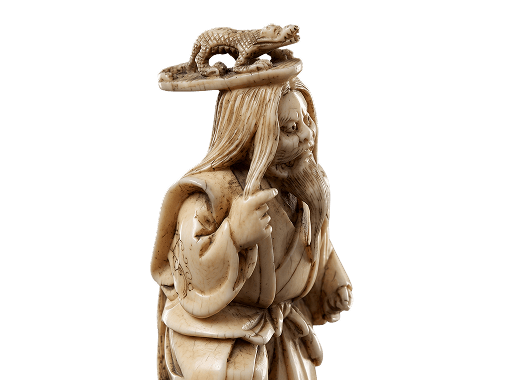
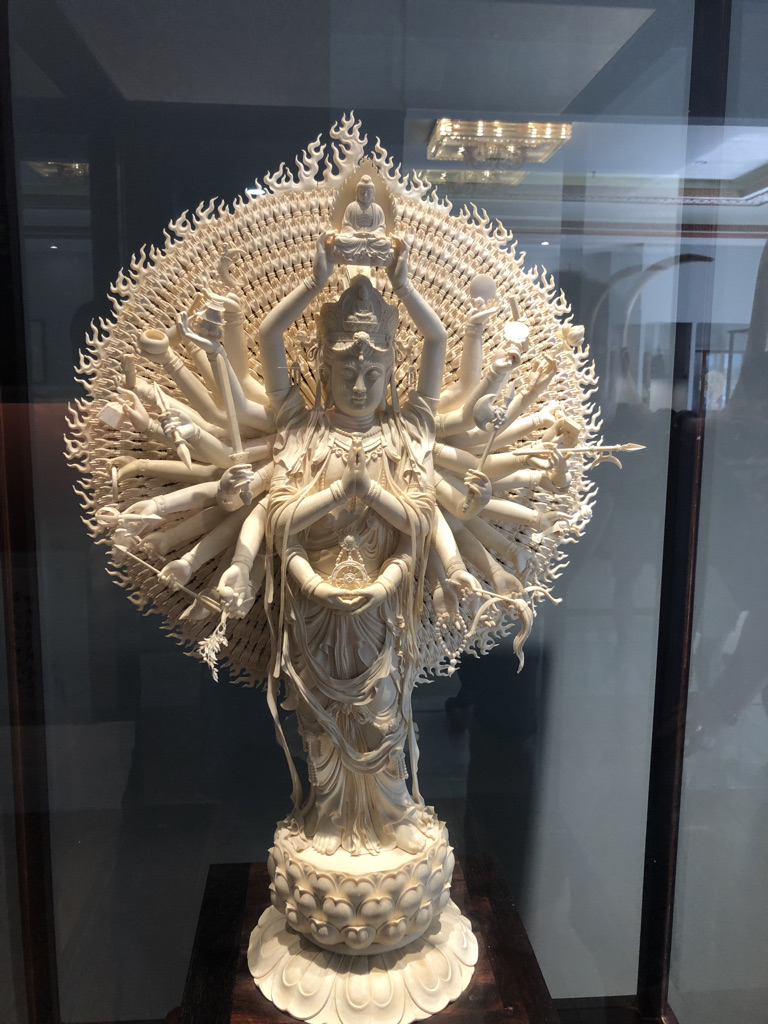
Sculpture “Netsuke with Dragon”
(mammoth tusk, hand-carved, 19th c.)

Regulatory changes linked
to ivory trade restrictions
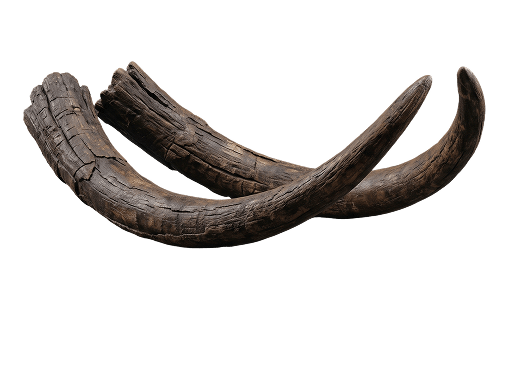
Souvenirs, carvings,
scientific samples
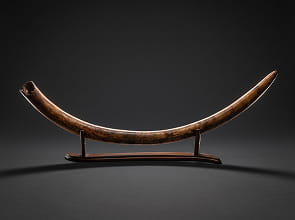
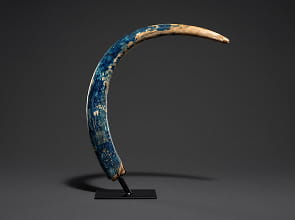
Sales of mammoth tusks at auctions in 2020–2025




About the Workshop
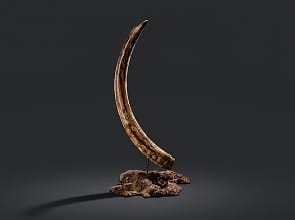
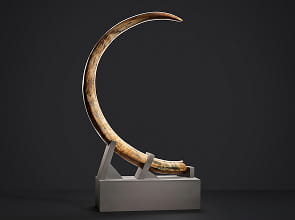
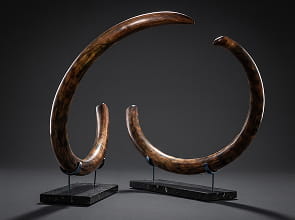
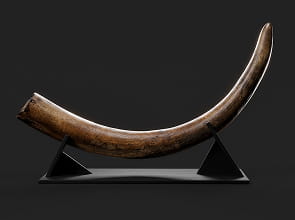
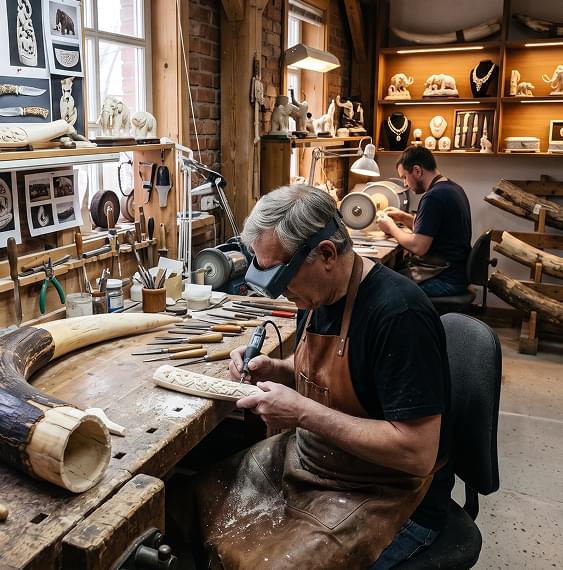
Mammoth Legacy is an art studio that transforms fossilized mammoth tusks, tens of thousands of years old, into exclusive works of art. The brand's masters combine virtuoso hand carving with modern jewelry design, creating unique sculptures and jewelry from certified Arctic materials.
The philosophy of the workshop is built on respect for history and the highest quality: each piece is unique, highlighting the natural texture of the ancient material and produced as a one-of-a-kind item. Works by Mammoth Legacy are valued by collectors worldwide as prestigious investment art and timeless family heirlooms.
How We Work
Our Customers
Mammoth Legacy — an art studio that transforms fossilized mammoth tusks, tens of
thousands of years old, into exclusive works of art

Frequently Asked Questions
We participate in projects annually; here are some of them
Yes. Mammoth tusk is a fossil material from an extinct species (Mammuthus primigenius), so it is not covered by CITES or most federal endangered species protection laws in many countries. Trade in it is generally allowed almost everywhere, except in certain jurisdictions.
In several U.S. states and some countries, local bans have been introduced to prevent “laundering” of elephant ivory as mammoth ivory. For example, in the United States, mammoth ivory is legal at the federal level but prohibited for sale in California, New York, New Jersey, and some other states (Hawaii, Illinois, Nevada, etc.). Trade in mammoth ivory is also banned in India.
In most countries — yes, provided that the material is genuinely mammoth ivory and properly documented. In the U.S., for instance, mammoth and mastodon ivory do not require special export permits, since the species are extinct. However, regulations may differ in the destination country, so it’s important to check customs requirements in advance.
No. Elephant ivory comes from living, protected species (African and Asian elephants), and its international commercial trade has been banned since 1989 (CITES). Mammoth ivory comes from an extinct species, so it is regulated differently. Due to their visual similarity, some regions restrict mammoth ivory as well to prevent illegal elephant ivory trade.
Yes, especially in finished products. Walrus tusk has a distinct structure (more “marbled,” with characteristic darker veins), while regular bone does not have Schreger lines at all. For expensive purchases, it’s advisable to request an expert assessment or a certificate specifying the material.
Basic guidelines:
- Regular cleaning: use a soft, dry cloth to remove dust; if needed, a slightly damp cloth can be used, but dry immediately afterward.
- Avoid: harsh chemicals, ultrasonic cleaners, prolonged exposure to water, direct sunlight, and sudden changes in humidity or temperature.
- Storage: keep in stable conditions, preferably in a soft pouch or case, and separate from hard objects to prevent scratches.